
Book of the Month: The Art of War by Sun Tzu
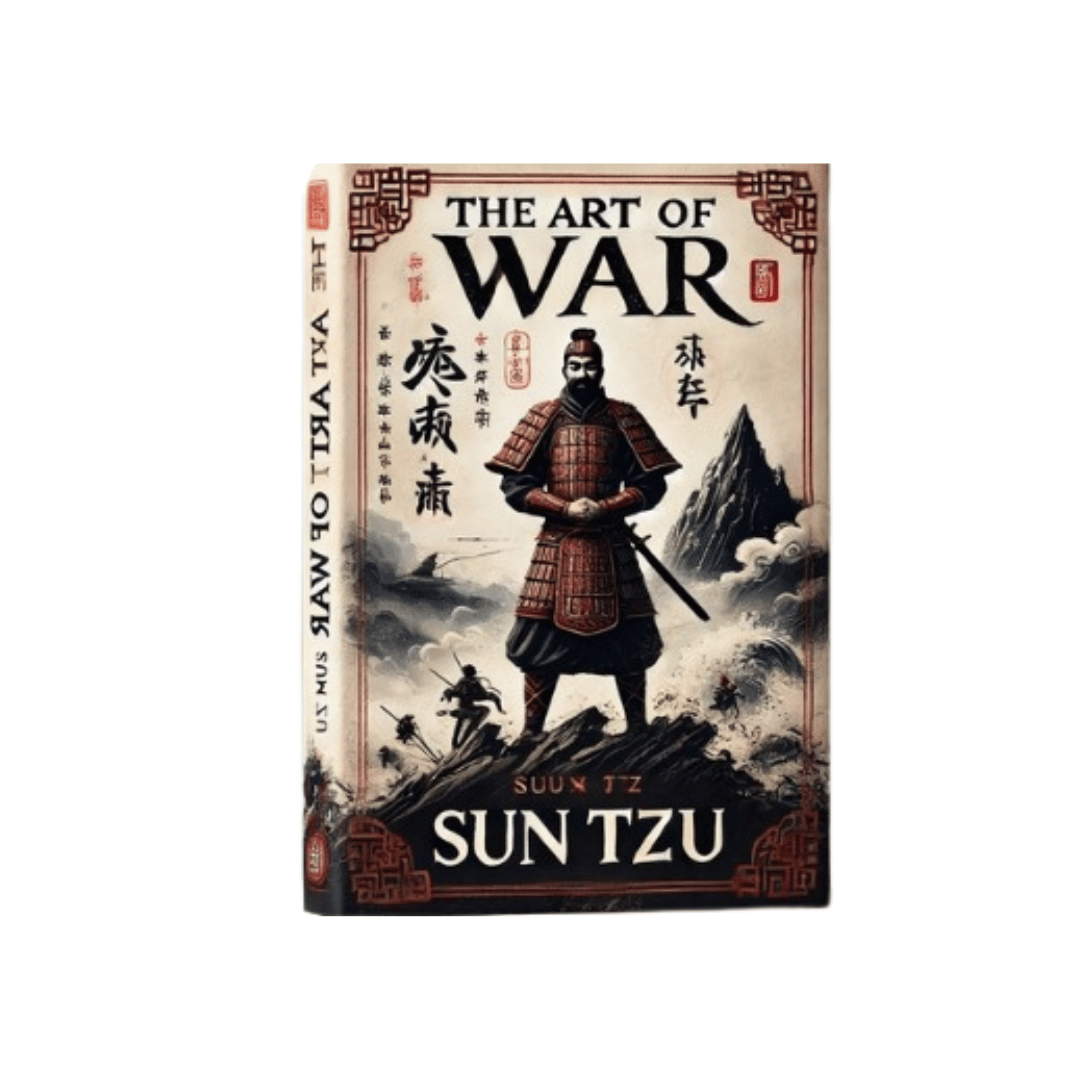
The Art of War is a timeless classic that has transcended centuries, offering profound insights into strategy, leadership, and human nature. Written in the 5th century BC by the ancient Chinese military strategist Sun Tzu, this influential text is not just a military manual but a philosophical guide that has been applied in various fields, including business, politics, and personal development.
The book is divided into 13 chapters, each focusing on different aspects of warfare. Sun Tzu emphasises the importance of adaptability, the value of intelligence, and the necessity of understanding both oneself and the enemy. His famous dictum, “Know thyself and know thy enemy,” encapsulates the essence of effective strategy. The principles laid out in The Art of War advocate for careful planning, the significance of timing, and the strategic use of deception.
One of the most remarkable aspects of this work is its clarity and brevity. Sun Tzu’s writing is concise yet packed with meaning, making it accessible for readers across generations. His wisdom encourages readers to think critically about conflict, urging them to pursue victory with minimal confrontation. The lessons on strategy and leadership are particularly relevant in today’s fast-paced world, where decision-making and competition are key.
Beyond its military applications, The Art of War has found relevance in various disciplines. Business leaders often draw parallels between Sun Tzu’s strategies and corporate competition, finding ways to outmanoeuvre rivals in the marketplace. Similarly, personal development enthusiasts apply his teachings to navigate challenges and improve decision-making skills in their lives.
The Importance of Strategy and Adaptability
Central to Sun Tzu’s teachings is the belief that strategy and adaptability are vital for success. He asserts that one must always be flexible in their approach, adjusting tactics based on the circumstances at hand. This adaptability is a crucial lesson for modern readers, as it speaks to the necessity of being responsive in a constantly changing environment. In business, for example, companies that can pivot their strategies in response to market trends are often the ones that thrive. Sun Tzu’s insights remind us that rigid plans may lead to failure, whereas a strategic mind can navigate even the most turbulent waters.
The Value of Leadership and Team Dynamics
Another significant theme in The Art of War is the role of leadership and teamwork. Sun Tzu emphasises that effective leadership is essential in both warfare and in any collaborative endeavour. A great leader must inspire trust, foster unity, and motivate their team to achieve common goals. This principle resonates deeply in today’s workplace, where successful outcomes often depend on strong team dynamics. By understanding the strengths and weaknesses of team members, leaders can delegate effectively, ensuring that everyone plays to their strengths. Sun Tzu’s insights into leadership provide timeless advice for cultivating strong, cohesive teams.
The Philosophy of Conflict Resolution
The Art of War also offers valuable perspectives on conflict resolution. Sun Tzu advocates for resolving conflicts without resorting to violence whenever possible. He teaches that the highest form of victory is achieved when one can outsmart an opponent without engaging in direct confrontation. This philosophy is particularly relevant today, as it encourages a thoughtful approach to disputes in personal and professional settings. By promoting dialogue and understanding, we can often find solutions that avoid escalation and foster cooperation.
About the Author
Sun Tzu, also known as Sunzi, was an ancient Chinese general, military strategist, and philosopher whose life and works have left a lasting impact on military theory and practice. Although much about his life remains shrouded in mystery, it is widely believed that he lived during the Eastern Zhou period of ancient China. His insights in The Art of War continue to resonate, influencing leaders and strategists globally. As a foundational figure in military strategy, Sun Tzu’s teachings emphasise the importance of wisdom, strategy, and understanding human nature.
In summary, The Art of War is an essential read for anyone interested in strategy, leadership, and personal growth. Its lessons are timeless, making it a valuable resource in both historical and modern contexts. Whether you’re a student of history, a business leader, or simply someone seeking wisdom, Sun Tzu’s masterpiece is a must-read.