
Contracts, AI & 2025 Legal Updates
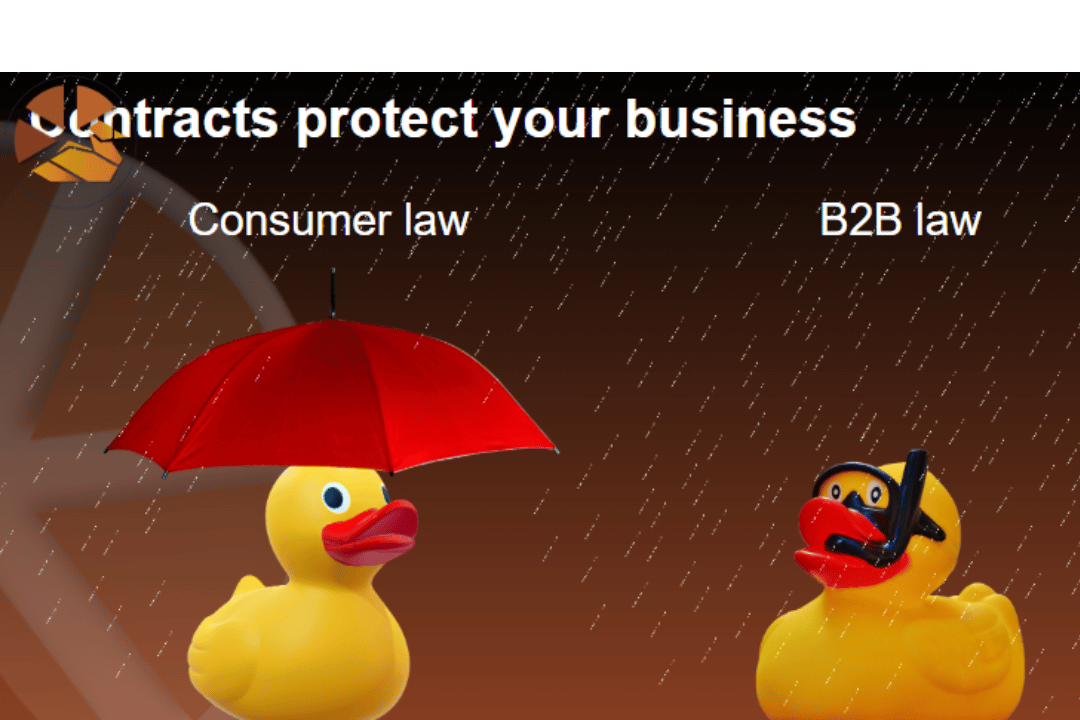
Contracts aren’t just paperwork—they’re your protection. In our recent KoffeKlatch webinar, we stressed the importance of having robust, legally compliant contracts—particularly when working with children’s activities, schools and parents. With legal requirements and data protection rules evolving rapidly, 2025 is set to bring fresh challenges for small business owners.
Discover how the right contracts can safeguard your business and give you peace of mind.
Why Contracts Matter- Three core contract types: Most businesses know they need contracts for clients and employees, but many overlook suppliers and freelancers. Without proper agreements, sensitive data and intellectual property can be at risk.
- B2B vs Consumer law: Consumer law offers strong protections, but business-to-business transactions do not. If you’re selling to schools or organisations, you must ensure your contracts outline payment terms, refunds, and responsibilities.
- “Organisational Alzheimer’s”: Staff turnover in schools means your main contact may leave, but your contract remains valid. A well-written agreement ensures you still get paid and avoid disputes.
- UK Data Privacy Act updates (effective August 2025): These changes have serious implications for childcare providers and children’s activity businesses, particularly around GDPR and handling children’s data.
- AI and legal compliance: AI is rapidly changing how businesses handle data and contracts.
- Don’t panic—plan ahead. Review your contracts now to make sure they’re ready for the 2025 updates.
- Get the right agreements in place. If a freelancer, VA, or contractor handles your data or branding, proper contracts are a must.
- Know the difference. Agreements with schools are B2B (refunds only if services aren’t fit for purpose), while parent contracts fall under consumer law and need different terms.
- Audit your client, staff, and supplier contracts.
- Check for data privacy compliance, especially if you work with children’s data.
- Prepare for August 2025 legal updates—don’t leave it until the last minute.
- Consider how AI is used in your business and whether your current contracts reflect this.
- Review contracts for parents, schools, suppliers, and freelancers.
- Separate your data privacy policy from data processing agreements.
- Prepare for the August 2025 UK Data Privacy Act updates.
- Clarify refund and late payment terms, especially with online bookings.
- Be upfront about extras to avoid disputes.
- Set clear expectations when requesting feedback, forms, or information by specific dates (e.g., from schools or parents).
- Define consequences for missed deadlines (e.g., will you delay launch or work overtime?).
- Event resources: Clearly outline who is responsible for providing resources and confirm availability early.
- Clearly communicate response times and what constitutes an emergency.
- Avoid being “on call” 24/7 due to anxious clients who expect instant replies.
- Consider a triage system for prioritizing communications.
- Contracts should explicitly state:
- Who to contact for issues (session leader vs. you).
- Attendance policies: e.g., late pickups—will you charge extra, or babysit free?
- Working hours: Are parents allowed to come early and chat?
- Who to contact for issues (session leader vs. you).
- Emotional & workload boundaries: Avoid “scope creep” where clients expect extra services for free.
- Default rule: Copyright stays with you unless explicitly assigned.
- Freelancers: Their content remains theirs unless the contract transfers ownership to you.
- Schools: Educational use isn’t a legal exception; they must respect your IP.
- AI-generated content:
- Current law is unclear—AI output may be copyright-free or owned by the AI tool creators.
- If your material is partially human-edited, you may gain rights—keep records of prompts and edits.
- Current law is unclear—AI output may be copyright-free or owned by the AI tool creators.
- Material sharing: Decide if parents/schools can copy or adapt your lesson plans or workbooks.
- Ideas vs. material: Ideas can’t be copyrighted, but your specific materials can.
- Children’s data is high risk.
- Conduct a Data Processing Impact Assessment (DPIA).
- Use data privacy agreements with freelancers or VAs.
- Conduct a Data Processing Impact Assessment (DPIA).
- Data collection: If using a third-party booking system, verify their compliance with child data regulations.
- Share only necessary data with session leaders—avoid dumping your entire phone contacts.
- New legislation effective August 2025 with stricter enforcement from the ICO (Information Commissioner’s Office).
- Actions required:
- Run a data audit (like end-of-year accounts) at least annually or when adding new systems.
- Update your data privacy policy, ensuring clear consent and complaint procedures.
- Set up a complaint channel (e.g., online form) for parents/children regarding data handling.
- If children can log in (e.g., for online classes), ensure age-appropriate safeguards and high privacy defaults.
- Run a data audit (like end-of-year accounts) at least annually or when adding new systems.
- Contact booking system providers to confirm compliance updates.
- Ensure your privacy notices are clear (especially who handles the data).
- Disable tracking/profiling of children.
- Keep documentation of data processing agreements with all third-party services.
- Legal Responsibility for Third Parties:
- Even if you outsource tasks (e.g., data handling), you remain legally liable if something goes wrong.
- Businesses must conduct due diligence on suppliers and third parties to ensure compliance, particularly under data privacy laws (UK and global).
- Even if you outsource tasks (e.g., data handling), you remain legally liable if something goes wrong.
- Data Privacy Policy & Contracts:
- First step: Review or update your data privacy policy.
- Next step (phased): Once your business revenue allows, review and update contracts with suppliers.
- First step: Review or update your data privacy policy.
- Due Diligence Expectations:
- Businesses must check that third-party suppliers are compliant.
- If a supplier is “clueless” about compliance, consider switching to one that understands the requirements.
- Checklists will be provided to help verify suppliers’ compliance.
- Businesses must check that third-party suppliers are compliant.
- Analogy with Liability:
- Outsourcing does not absolve liability (e.g., using a dodgy garage for company cars still makes you responsible if something goes wrong).
- Outsourcing does not absolve liability (e.g., using a dodgy garage for company cars still makes you responsible if something goes wrong).
- GDPR Example:
- Reference to Infusionsoft (now Keap) ignoring GDPR initially, leading to a reputation issue—a warning against ignoring compliance requirements.
- Reference to Infusionsoft (now Keap) ignoring GDPR initially, leading to a reputation issue—a warning against ignoring compliance requirements.
- Data Protection Impact Assessments (DPIAs):
- Businesses handling sensitive data (e.g., children’s data) are supposed to conduct DPIAs.
- A DPIA helps identify the biggest risks to your business and the people (e.g., children) whose data you process.
- Businesses handling sensitive data (e.g., children’s data) are supposed to conduct DPIAs.
Staying on top of contracts and data privacy rules doesn’t have to feel overwhelming. Start small, take it step by step, and use the right tools to protect your business. For free tips, micro-training, or affordable support options, email support@koffeeklatch.co.uk. You can also download the Children’s Data Compliance Checklist to help you stay compliant and confident as 2025 approaches.
ICAP members can watch the full recording of the webinar from their dashboard – click here. If you’re not a member yet, sign up for membership here to access expert guidance, resources, and support.