
The 7 Habits of Highly Effective People
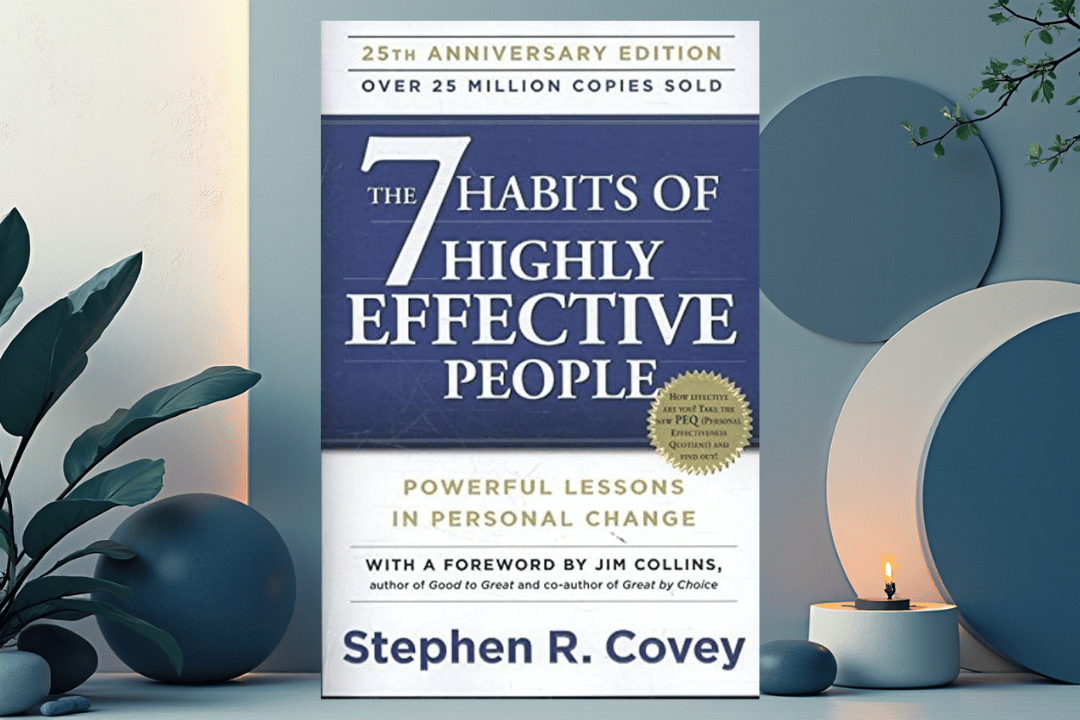
As we step into a new year, many of us are thinking about what we want to achieve in 2026 – both personally and professionally. It’s the perfect moment to reset, reflect, and recommit to the habits that will drive meaningful progress in our lives and businesses. The 7 Habits of Highly Effective People has been a cornerstone of personal development for decades, offering a timeless framework for becoming more intentional, resilient, and effective in everything we do. In this blog, we break down these seven core habits and explore how they can help you lead with purpose, build stronger relationships, and create lasting success throughout the year ahead.
This blog explores the core ideas of the book, explains the seven habits in context, and highlights why these principles are especially relevant for those working with children and young people.
An Overview of the Seven Habits
The seven habits are organised around a progression from dependence to independence, and ultimately to interdependence. This journey reflects personal growth and maturity, both in individual development and in relationships with others.
The first three habits focus on self-leadership, the next three on working effectively with others, and the final habit on renewal and balance.
Habit 1: Be Proactive
This habit centres on taking responsibility for one’s actions, attitudes, and choices. It highlights the importance of recognising that while circumstances may be beyond control, responses are not.
Being proactive means acting according to values rather than reacting to situations or emotions. It encourages accountability, resilience, and self-awareness qualities that form the foundation of personal effectiveness.
Habit 2: Begin with the End in Mind
Habit 2 focuses on clarity of purpose. It encourages individuals to think carefully about their long-term goals and the values they want to be guided by, both personally and professionally.
By having a clear vision of what success looks like, decisions become more intentional. This habit supports thoughtful planning and helps ensure that everyday actions align with meaningful outcomes.
Habit 3: Put First Things First
This habit is about prioritisation and effective time management. It challenges the idea that productivity is simply about being busy.
Instead, the focus is placed on identifying what is truly important and giving those tasks priority over distractions and urgent but less meaningful demands. This approach supports balance, focus, and long-term effectiveness.
Once personal responsibility and self-management are established, the habits shift towards building strong, productive relationships with others.
Habit 4: Think Win-Win
Habit 4 promotes a mindset of mutual benefit. It encourages looking for solutions where everyone involved feels respected and valued, rather than viewing situations as competitive or one-sided.
This approach supports trust, cooperation, and sustainable relationships, particularly in team settings and leadership roles.
Habit 5: Seek First to Understand, Then to Be Understood
This habit emphasises the importance of listening with empathy. Rather than listening simply to respond, the focus is on genuinely understanding another person’s perspective first.
Practising this habit improves communication, reduces conflict, and strengthens relationships by ensuring people feel heard and respected.
Habit 6: Synergise
Synergy is about collaboration and valuing differences. It recognises that people with different experiences, skills, and viewpoints can work together to create better solutions than any individual could achieve alone.
This habit encourages openness, creativity, and teamwork, particularly in group or organisational environments.
Habit 7: Sharpen the Saw
The final habit focuses on renewal and self-care. It highlights the importance of maintaining balance across four key areas: physical, mental, emotional/social, and spiritual wellbeing.
Regular renewal helps prevent burnout and supports long-term effectiveness. This habit reinforces the idea that caring for oneself is essential in order to perform well and support others.
Why This Book Matters to Children’s Activity Providers
For children’s activity providers such as clubs, holiday programmes, sports coaches, tutors, and youth leaders the principles behind the seven habits are especially valuable.
Role Modelling Positive Behaviour
Children learn significantly through observation. Adults who demonstrate responsibility, fairness, and respectful communication provide strong behavioural role models that children can emulate.
Supporting Emotional and Social Development
Habits such as empathic listening and win-win thinking align closely with social and emotional learning. They help activity providers manage behaviour constructively, resolve conflicts calmly, and foster inclusive environments where children feel safe and valued.
Encouraging Responsibility and Independence
Principles like being proactive and goal-focused can be introduced in age-appropriate ways to help children develop confidence, responsibility, and independence. These skills support children both within activities and beyond.
Building Strong Teams and Safe Environments
Children’s activity settings depend on trust, teamwork, and clear communication. Using a shared framework based on these habits helps staff work more effectively together while maintaining consistent standards of care.
Creating a Lasting Impact
The ideas behind the seven habits extend far beyond individual sessions or programmes. They contribute to positive character development, helping children grow into respectful, capable, and thoughtful individuals
The Lasting Relevance of the Seven Habits
Despite being written decades ago, The 7 Habits of Highly Effective People remains remarkably relevant. In a fast-paced, outcome-driven world, Covey’s emphasis on values, character, and long-term thinking feels more important than ever.
The book reminds readers that effectiveness is not about doing more things faster, but about doing the right things with intention and integrity.
About the Author: Stephen R. Covey
Stephen R. Covey (1932–2012) was an American educator, author, and leadership expert. He held an MBA from Harvard University and a doctorate from Brigham Young University, where he also served as a professor.
Covey was widely respected for his focus on principle-centred leadership and human potential. In addition to The 7 Habits of Highly Effective People, he authored several other influential works, including First Things First and The 8th Habit.
His ideas have been adopted globally across businesses, schools, governments, and non-profit organisations. Covey’s legacy continues through the ongoing work of the FranklinCovey organisation, which delivers training and educational programmes based on his principles.