
Book of the Month: The Power of Play by David Elkind
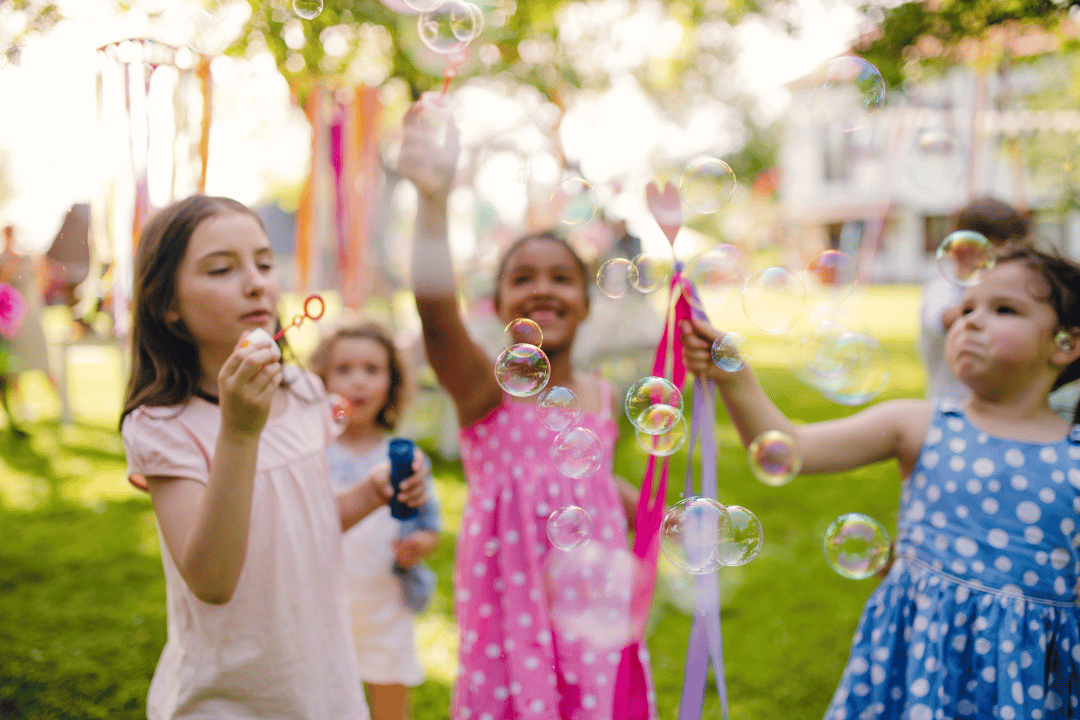
Are We Doing Too Much for Children? Reclaiming the Power of Play
As educators, parents, and play providers, we often ask ourselves:
“Are we doing too much for children, and not letting them do enough for themselves?”
In today’s fast-paced, outcome-driven world, structured activities and adult-led programmes often take centre stage. But it’s becoming increasingly clear that free, self-directed play is not just beneficial—it’s essential.
Over time, I’ve come to realise that the most valuable learning doesn’t always come from adult instruction. Instead, it emerges when children are trusted to explore, take risks, and work things out with their peers. Here’s how this understanding has changed my approach—and how it aligns with many of the most impactful trends in early years and primary education today.
Key Ideas for Play Providers and Educators
1. Supporting Creativity with Open-Ended Play
Open-ended play gives children permission to explore without a fixed goal. There’s no “right” or “wrong” outcome—just curiosity and discovery.
This shift has led to practical changes in our setting:
Craft areas now offer resources, not templates.
We encourage mark-making, loose parts play, and junk modelling over step-by-step projects.
Play is process-led, not product-led.
By removing expectations of what the end result “should” look like, we give children the freedom to express themselves fully.
2. Creating Outdoor Spaces That Invite Risk and Discovery
Real learning often happens outside, where children are free to move, build, climb, and problem-solve. Risk, when thoughtfully managed, isn’t something to avoid—it’s something to embrace.
In our outdoor provision, we’ve seen the value of:
Natural play spaces with logs, mud kitchens, and loose materials.
Opportunities for den building, tool use, and nature exploration.
Activities that encourage resilience, resourcefulness, and teamwork.
Children thrive when they’re given the opportunity to test their limits in a supportive environment.
3. Encouraging Peer Interaction Over Adult-Led Direction
Adult involvement can sometimes unintentionally overshadow children’s own ideas. Peer-led play, however, fosters independence, empathy, and cooperation.
Rather than stepping in too soon, we’ve adopted a more observational approach:
Letting children solve conflicts together, with gentle guidance only when needed.
Allowing small group dynamics to evolve naturally.
Holding back from “correcting” or directing play unless safety is at risk.
This has led to more confident, communicative, and collaborative children—and far richer social learning.
How This Shift Changed My Practice
Stepping back and giving children more autonomy has been eye-opening. What began as a professional curiosity has turned into a complete re-evaluation of how I structure time and space for play.
Now, the focus isn’t on keeping children busy or ticking boxes—it’s about providing time, space, and trust. And the transformation in the children has been remarkable: they are more imaginative, more engaged, and more resilient than ever.
Linking to Current Practice
This approach to play sits comfortably within several progressive movements in the UK and beyond:
Forest School ethos promotes learning through nature and celebrates the value of risk and unstructured exploration.
Sensory play supports neurological development and helps children process the world around them.
Screen-free initiatives are gaining momentum, with a growing awareness of the importance of real-world, hands-on experiences.
Far from being nostalgic or idealistic, these approaches are grounded in strong evidence and reflect what we intuitively know to be true: children learn best when they lead the way.
Final Thoughts
If you work with children, the question isn’t whether play has value—it’s whether we’re making enough space for it in the way we design our environments and interactions.
Let’s rethink the idea that adults always need to be in control. Sometimes, the best thing we can do is step back and let play do its work.
Because in the end, childhood isn’t a race to be finished—it’s a space to be protected.