
Why The Experience Economy Matters
In the competitive world of children’s activities where parents are choosing between classes, camps, clubs, parties, and enrichment programmes one question increasingly determines success:
Why should parents choose you over alternatives?
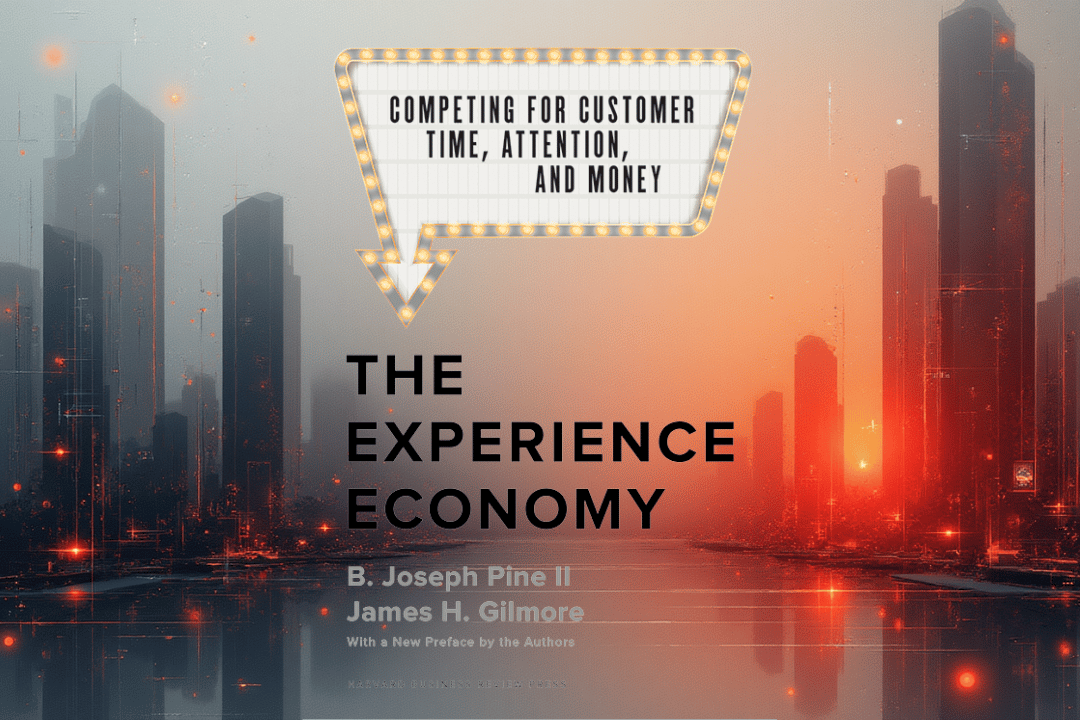
Pine and Gilmore’s influential book, The Experience Economy, answers that question powerfully. It argues that modern businesses must do more than deliver a service; they must create meaningful, memorable experiences. This shift has transformed industries worldwide and children’s activity providers are uniquely positioned to benefit from it.
Below is a breakdown of the key ideas from the book and why they matter deeply for the children’s activity sector.
What Is the Experience Economy?
Over the past few decades, a major shift has taken place in how people choose to spend their money:
- Commodities (raw goods)
- Goods (physical products)
- Services (support or convenience)
- Experiences — the highest value offering
In today’s world, experiences are what customers value most. Parents don’t just want convenient classes; they want their child to feel excited, nurtured, inspired, and connected.
Experiences create emotional memories and memories create loyalty.
For children’s activity providers, this is a huge opportunity.
Why This Matters to Children’s Activity Providers
Children’s activities naturally lend themselves to experiences: fun, learning, connection, milestones, friendships. But not every provider intentionally designs these experiences. This book shows exactly why doing so can transform your business.
👉 Parents aren’t just buying a class.
They’re buying:
- Confidence building
- Connection
- Creativity
- Skills
- Joy
- Structure
- Meaningful moments
When you understand this, your business stops being “just another class” and becomes something parents emotionally invest in.
Key Takeaways from The Experience Economy
(And how they apply to your business)
1️⃣ Stage a Transformation, Not Just an Activity
The ultimate form of value is transformation; a lasting change in the individual.
For children’s providers, this is the core of your impact:
- A shy child becoming more confident
- A toddler meeting developmental milestones
- A child discovering creativity
- A skill developing week by week
Tip: Communicate the “before and after” stories; this is what parents value most.
2️⃣ Experiences Are About Positive Emotion & Memory
People forget what they bought; they remember how it made them feel.
For your business:
- What emotions do parents connect with your classes?
- What emotions do children take home?
- What memories are you intentionally creating?
Designing “signature moments” (like welcome rituals, end-of-term celebrations, badges, certificates, or themed weeks) builds your brand identity.
3️⃣ Personalisation Is a Superpower
Pine & Gilmore highlight that experiences become powerful when personalised.
You can personalise by:
- Learning each child’s name quickly
- Adapting activities to different learning styles
- Offering milestone certificates
- Providing choices during sessions
- Sending individualised feedback to parents
Personalisation equals premium value.
4️⃣ Eliminate Friction in the Parent Journey
Parents talk about experiences holistically, not just what happened in the class.
Think about:
- The booking process
- Welcome emails
- How easy it is to find the venue
- First impressions at the door
- Communication during the term
- End-of-session transitions
Every touchpoint shapes the experience. A seamless journey = happier parents and higher retention.
5️⃣ Design Experiences Intentionally
The biggest message from the book:
Great experiences do not happen by accident, they are designed.
This includes:
- Music
- Lighting
- Instructor energy
- Props
- Pacing
- Storytelling
- Clear structure
- Theming
- Parent interactions
- Brand voice
When these elements are consistent, you stand out from your competition instantly.
Real-World Impact for Children’s Activity Providers
Applying the principles of the Experience Economy can lead to:
✔️ Higher customer loyalty
Parents will stay longer because they feel emotionally connected.
✔️ More word-of-mouth referrals
People share experiences – not services.
✔️ Stronger brand reputation
You become known as “the one that just feels different.”
✔️ Increased pricing power
Parents will pay more for crafted experiences that deliver transformation.
✔️ Reduced competition
You stop competing on price and start competing on value.
Final Thought: Children’s Activities Are the Experience Economy
If there is any sector where Pine & Gilmore’s insights fit perfectly, it’s this one.
Children’s activity providers have the rare advantage of working at the intersection of:
- Learning
- Connection
- Memory
- Emotion
- Creativity
- Community
By intentionally designing each class, interaction, and moment, you elevate your offer from a service to a magical experience families return to again and again.
About the Authors
The Experience Economy was written by B. Joseph Pine II and James H. Gilmore, two globally respected thinkers in business innovation, customer experience, and organisational transformation. Their work has influenced leaders across industries from hospitality and retail to education and creative services by demonstrating how intentional, designed experiences create deeper value than traditional services.